Net metering lets grid-connected solar users send surplus electricity back to the grid and get credit for it. It has been one of the biggest drivers of rooftop solar in Pakistan. It is also an area where rules have been changing, so read this as a general guide and always confirm current terms with your distribution company.
What is net metering?
With net metering, a bidirectional (“green”) meter records the units you import from the grid and the units your solar system exports. Your bill is then based on the difference, with exported units credited under the terms of your agreement. It only applies to on-grid and hybrid systems. Off-grid systems have no grid connection.
Who regulates net metering in Pakistan?
Net metering is governed by regulations issued by NEPRA (the National Electric Power Regulatory Authority), originally the Alternative & Renewable Energy Distributed Generation and Net Metering Regulations, 2015, and their later amendments. Applications are processed by your local distribution company (DISCO): for example LESCO in Lahore, FESCO in Faisalabad, MEPCO in Multan and GEPCO in Gujranwala. The Alternative Energy Development Board (AEDB) maintains a list of certified installers, and DISCOs may require your installation to be carried out by a certified vendor.
The application process, step by step
- Design and install a grid-tied or hybrid system sized within the limit linked to your sanctioned load.
- Prepare documents: typically your CNIC, a recent electricity bill, the application form, system specifications and datasheets for panels and inverter, and a single-line diagram.
- Submit the application to your DISCO, usually through its office or online portal.
- Technical review and site inspection by the DISCO to confirm the installation meets requirements.
- Agreement and meter installation: once approved, you sign the net-metering agreement and the bidirectional meter is installed.
- Generation licence: the application is forwarded for the licence under NEPRA’s process.
Timelines vary between DISCOs and depend on how complete the paperwork is.
Recent policy changes
Since 2025 the government and NEPRA have proposed and discussed significant revisions for new solar users, including a lower value for exported units and a move away from traditional net metering towards “net billing”, where imported and exported units are priced separately. The details, and how existing agreements are treated, have been subject to change.
Because the rules are evolving, check the current terms with your DISCO before you invest, or ask our team during your consultation. We’ll design around the rules that apply to you.
What it means for your system design
- Prioritise self-consumption. Units you use directly save you the full grid tariff, so size the system around your daytime load.
- Shift loads to daytime where you can: water pumps, washing machines, pre-cooling rooms.
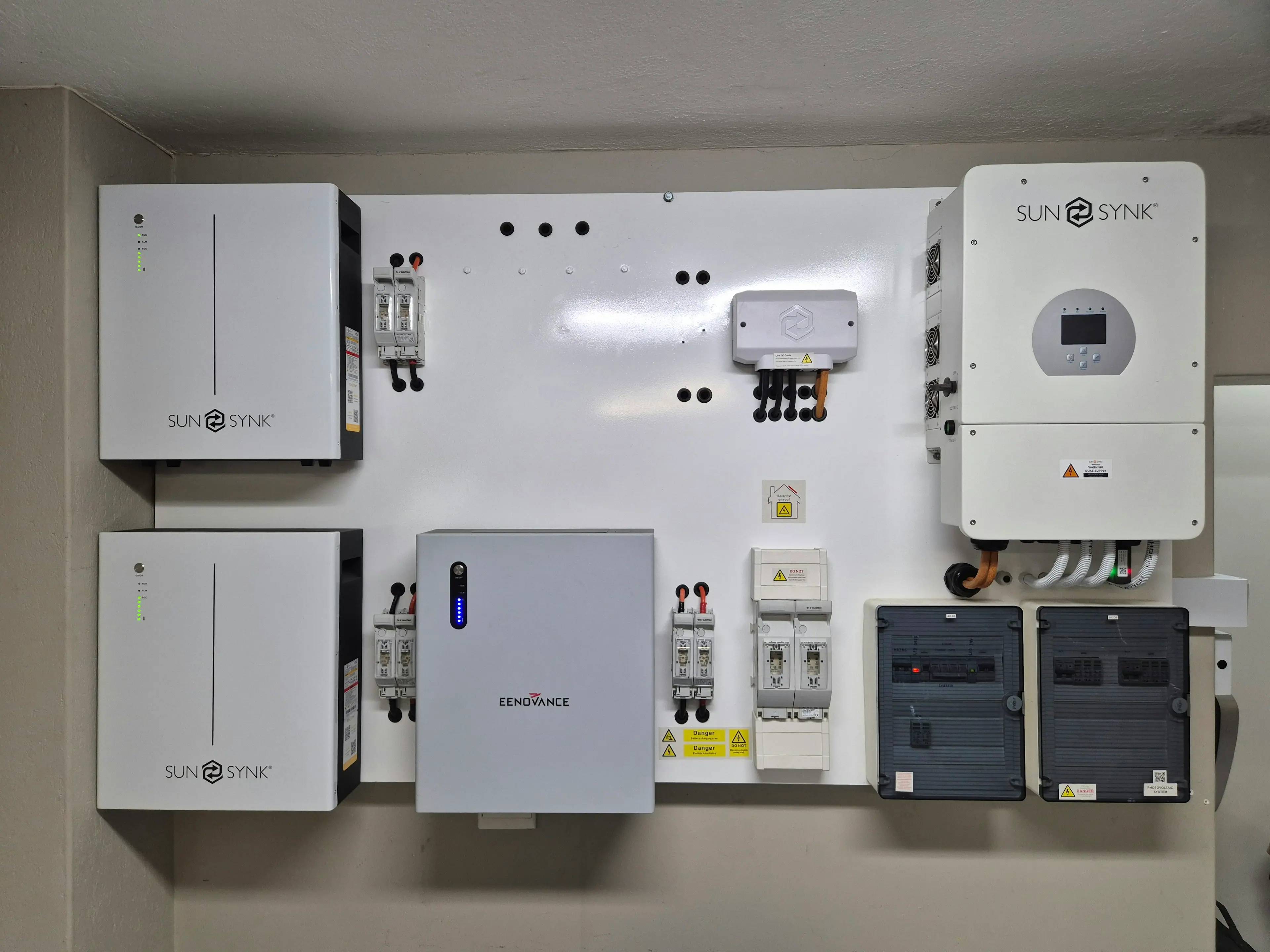
- Consider batteries. A hybrid system stores daytime surplus for evening use and adds backup.
- Use data. A proper load assessment and simulation shows how much solar you’ll actually use.